Méridien · An archaeological detective story
The dunes werethe wrong colour.
In 2002, Sheikh Mohammed bin Rashid, the ruler of Dubai, was flying his helicopter over the desert about 40 kilometres inland from Jebel Ali when he noticed dunes stained black among the red ones. He sent archaeologists to find out why. What they dug up is one of the strangest sites in Arabian archaeology, and it still refuses to add up.
Start the dig
SARUQ AL-HADID · 24.64N 55.25E · 40 KM INLAND FROM JEBEL ALI · SPOTTED FROM A HELICOPTER · 2002 · CASE STILL OPEN
SATELLITE: SENTINEL-2 CLOUDLESS BY EOX · MODIFIED COPERNICUS SENTINEL DATA 2020
Exhibit 01 · The stain
What turns a dune black
The colour is slag: tonnes of it, scattered across the sand in dark, glassy lumps. Slag is what is left over when ore is smelted, and it does not occur in nature.1
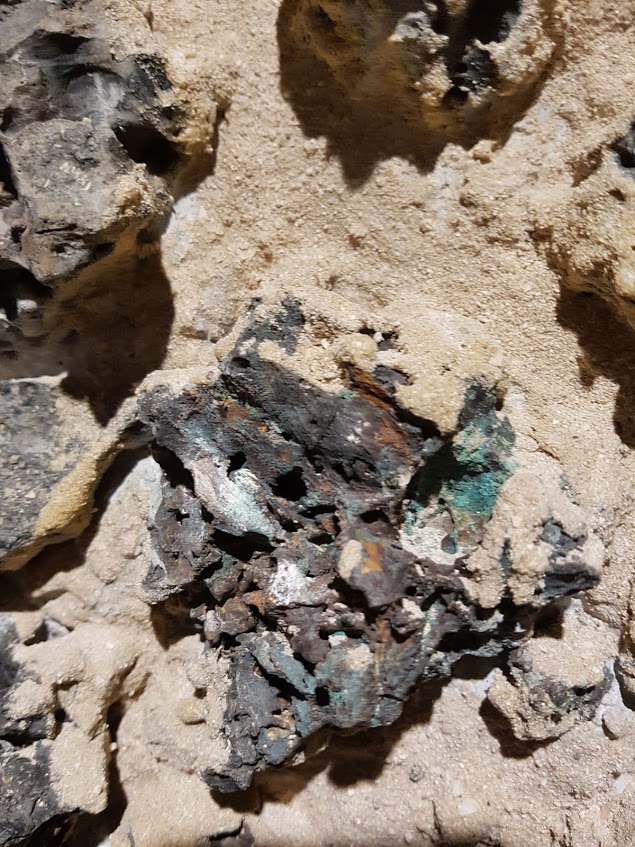
A furnace burns, metal runs off, and the waste cools into black glass. One lump means someone once smelted metal nearby. Saruq Al-Hadid is covered in tonnes of it, spread over the dunes in a crust dense enough to repaint the desert from the air.1
That crust is the site's calling card and its first riddle. The dunes here move with the wind; the slag stays. As the sand shifted over the centuries, the heavy waste kept settling onto the same patch of desert, marking the spot like ink soaking through paper.2
Exhibit 02 · The layers
Two thousand years under one dune
Excavation began soon after the helicopter flight and has continued, season by season, ever since. The sand turned out to be an archive: people used this patch of desert for some two thousand years.2
The stratigraphy of Saruq Al-Hadid
Select a layer to read it
Layer I · 1100–600 BCE
Iron Age II
The boom. Furnaces, copper and bronze weapons, seals, beads and gold, thousands of objects a season. Whatever Saruq Al-Hadid was, this is when it was busiest.
From the catalogue
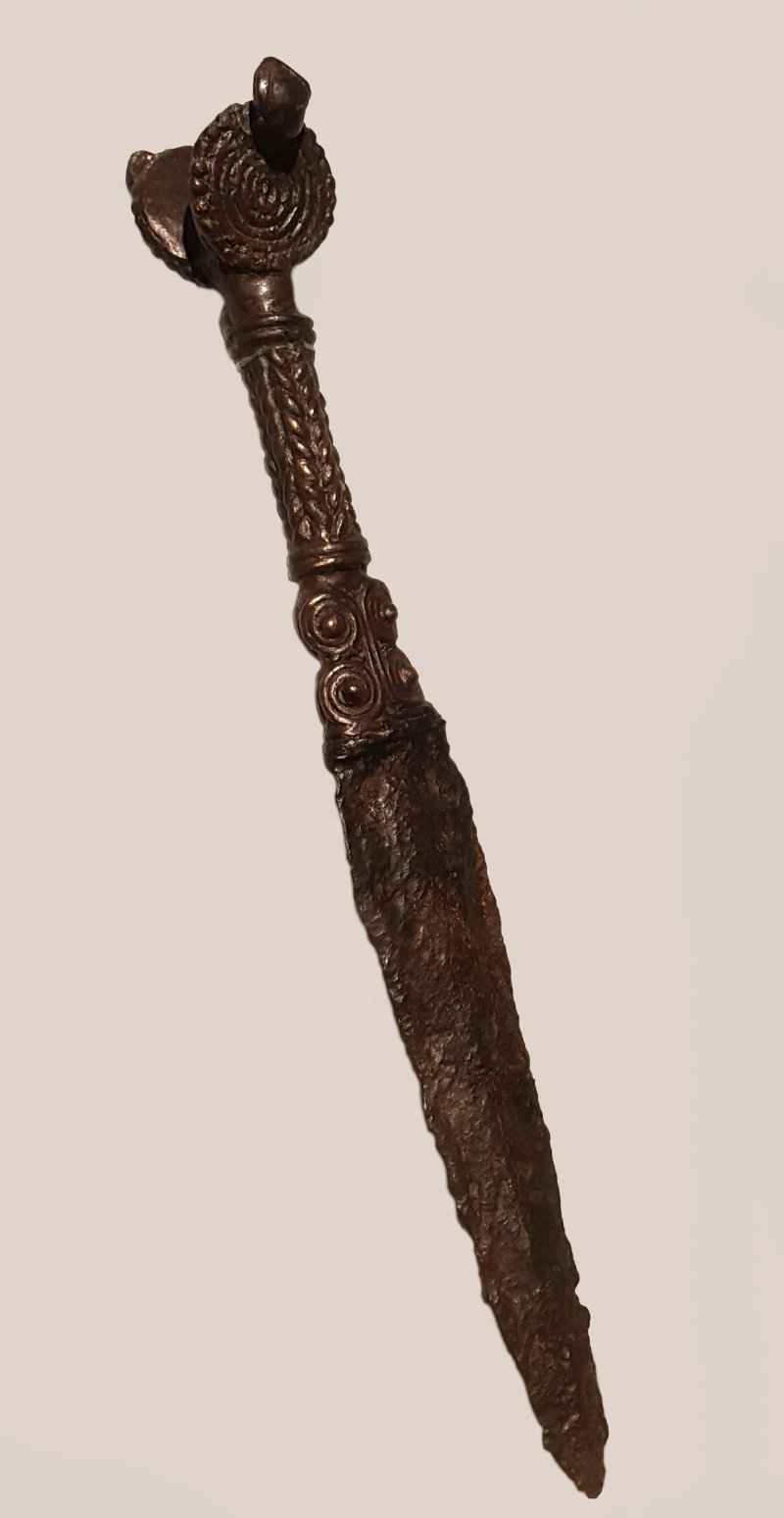
Bronze and iron dagger
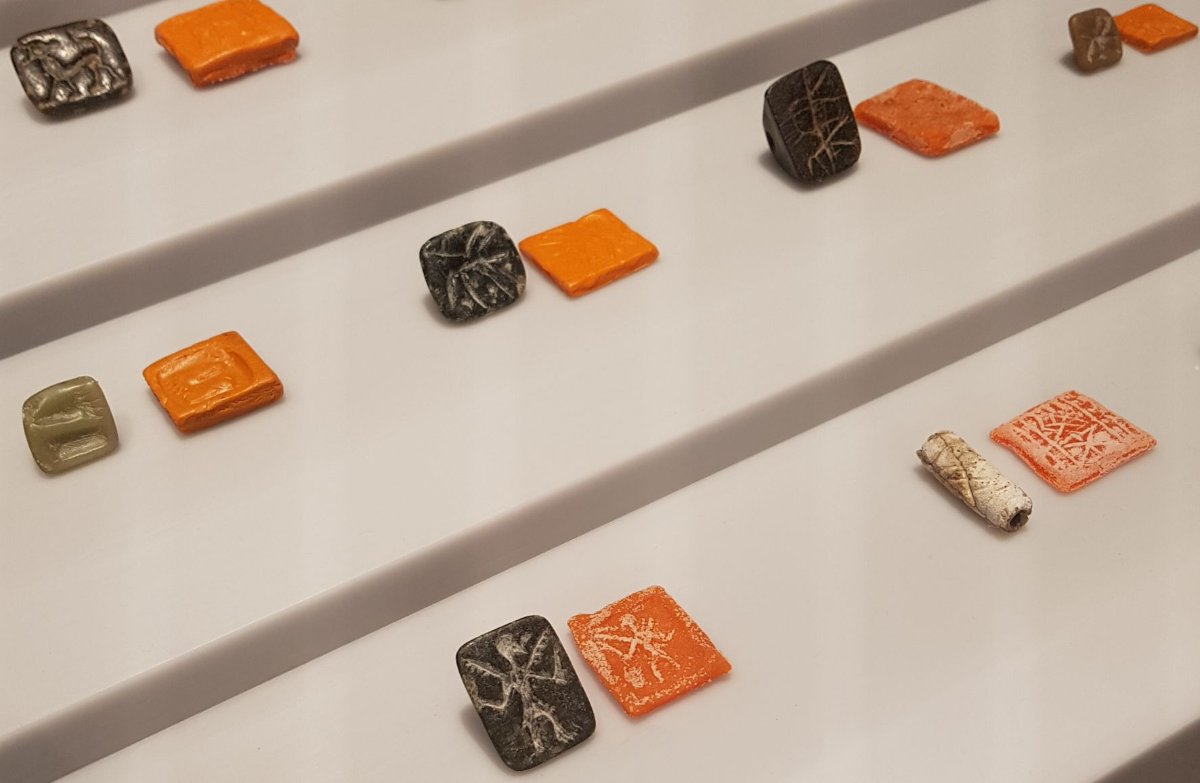
Stamp seals
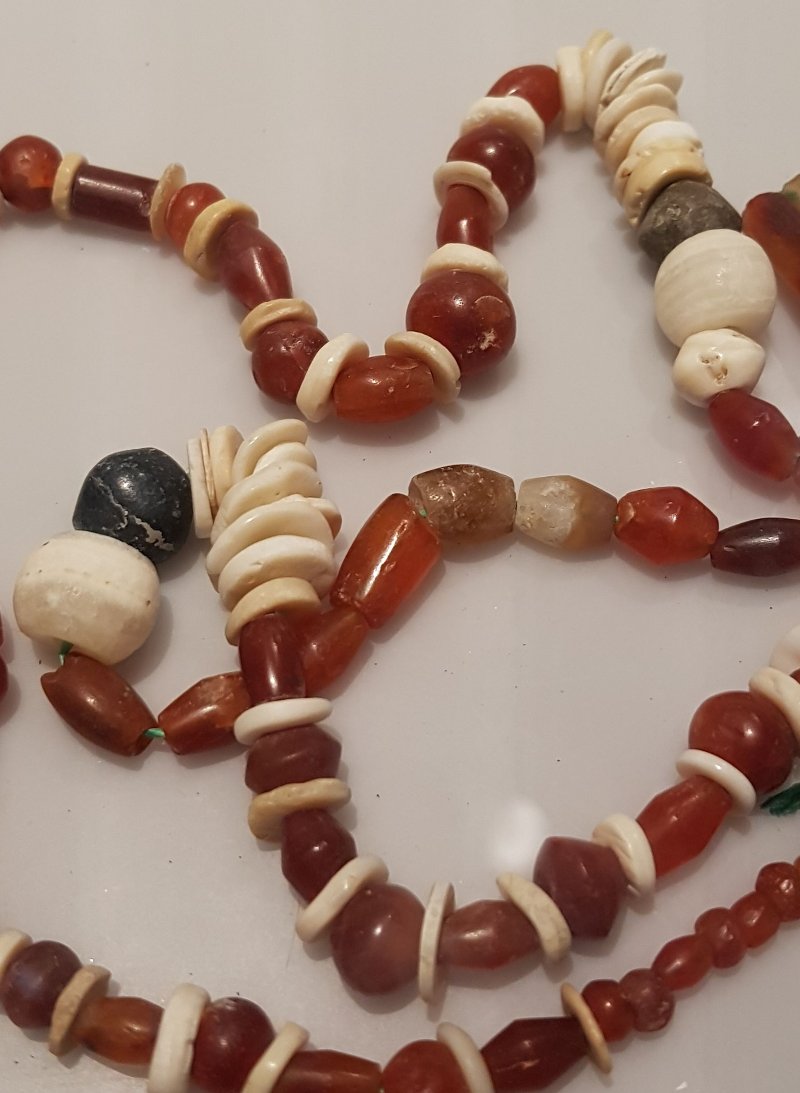
Carnelian jewellery
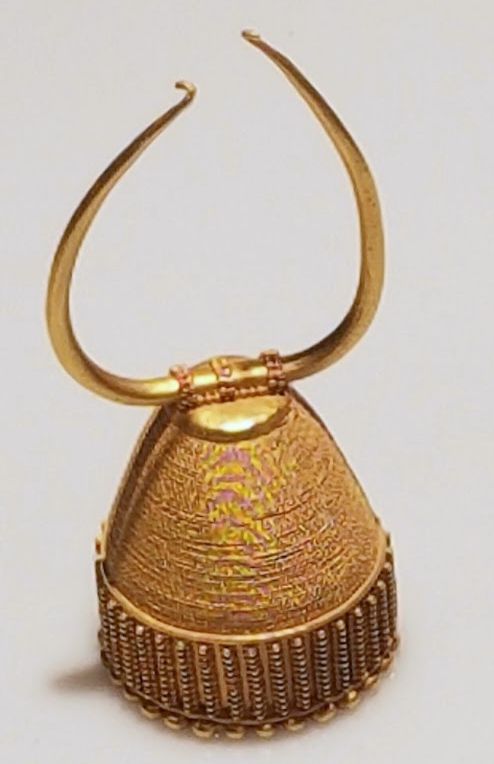
Gold jewellery
12,000+
Exhibit 03 · Three absences
A metalworks where nothing needed for metal exists
Here is the problem that keeps Saruq Al-Hadid strange. Smelting at scale needs three things in quantity: water for the workers, fuel for the furnaces, and ore to melt. The site has none of them.1
Water
none on site
No spring, no well, no wadi. Every drink for every worker had to arrive by caravan across open dunes.
Fuel
none on site
Furnaces eat wood and charcoal in bulk. The dune field offers scrub at best; the fuel had to be carried in, load after load.
Ore
none on site
The nearest copper deposits lie in the mountains, dozens of kilometres away. The raw rock also travelled to the furnaces, not the other way round.
Economically this is backwards. You put the furnace next to the ore, or next to the fuel; you do not haul all three ingredients into empty desert for two thousand years. Unless the point of the place was never economics.
The leading hypothesis is that Saruq Al-Hadid was a ritual site: people came to these dunes to make metal because making metal here meant something.1
Exhibit 04 · The snakes
The site with a snake problem
Among the twelve thousand objects, one motif keeps coming back: snakes. Bronze snake figurines, vessels decorated with snakes, snake ornaments, found across the site in unusual numbers.2
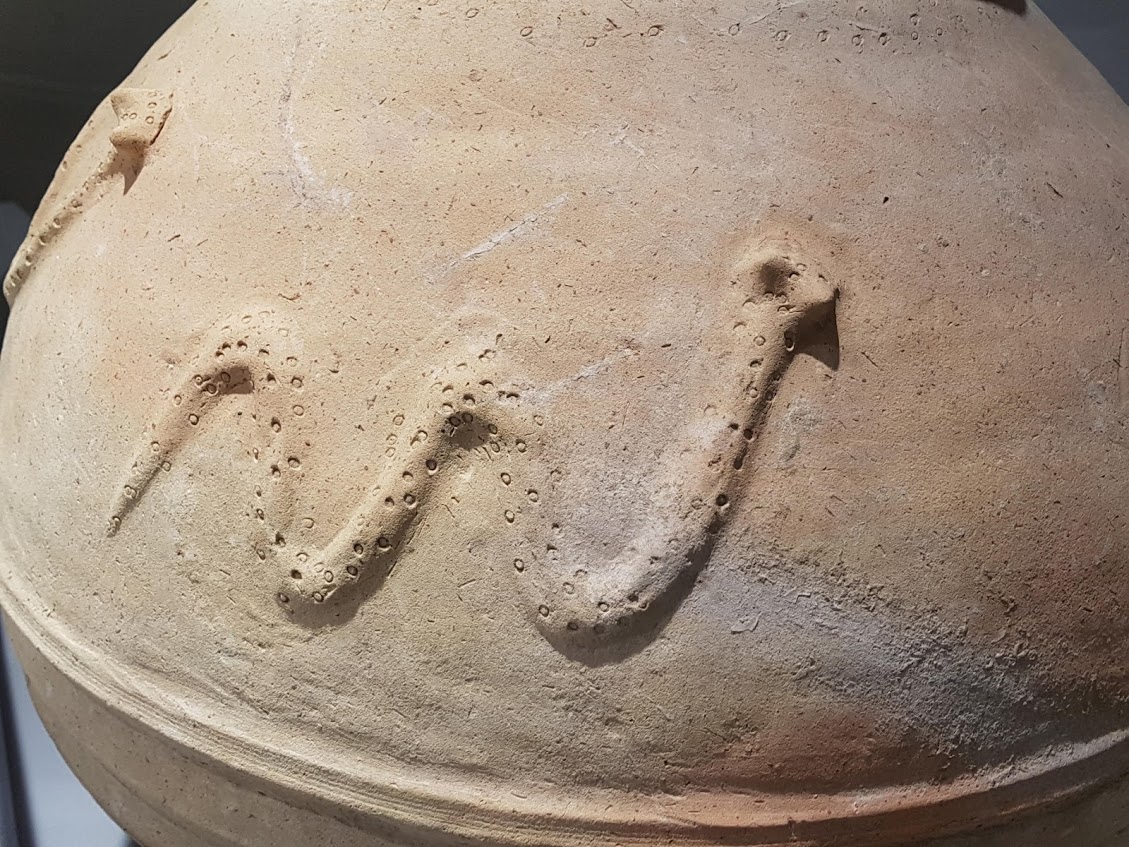
Snake imagery runs through the ancient Near East, usually tied to water, fertility and the underworld. At Saruq Al-Hadid it clusters around the metalworking layers, which backs the ritual reading: the serpents and the furnaces appear to belong to the same story.1
What that story said, nobody knows. The people of Saruq Al-Hadid left no writing. The snakes are the closest thing to a message.
Exhibit 05 · The ring
The 4,000-year-old logo
In the 2008–09 season the excavation produced a gold ring, cast by the lost-wax method and probably worn strung on a necklace. It is around four thousand years old.3
Drag the slider to trace one into the other
For seven years it was a catalogue entry. Then in 2016 Dubai unveiled the emblem of Expo 2020 by projecting it onto Burj Khalifa, and the emblem was the ring: its looping goldwork redrawn, almost line for line, as the logo of the largest event the city has ever hosted.3
A piece of goldsmithing from Bronze Age dunes became the badge of a twenty-first-century world fair. An object with no known owner turned into the most reproduced design in the country.
Exhibit 06 · The museum
Iron Age finds, pearl-trade address
Since 2016 the finds have had a museum: the Saruq Al-Hadid Archaeology Museum in Shindagha, on the Dubai Creek waterfront where the city's ruling family once lived.5
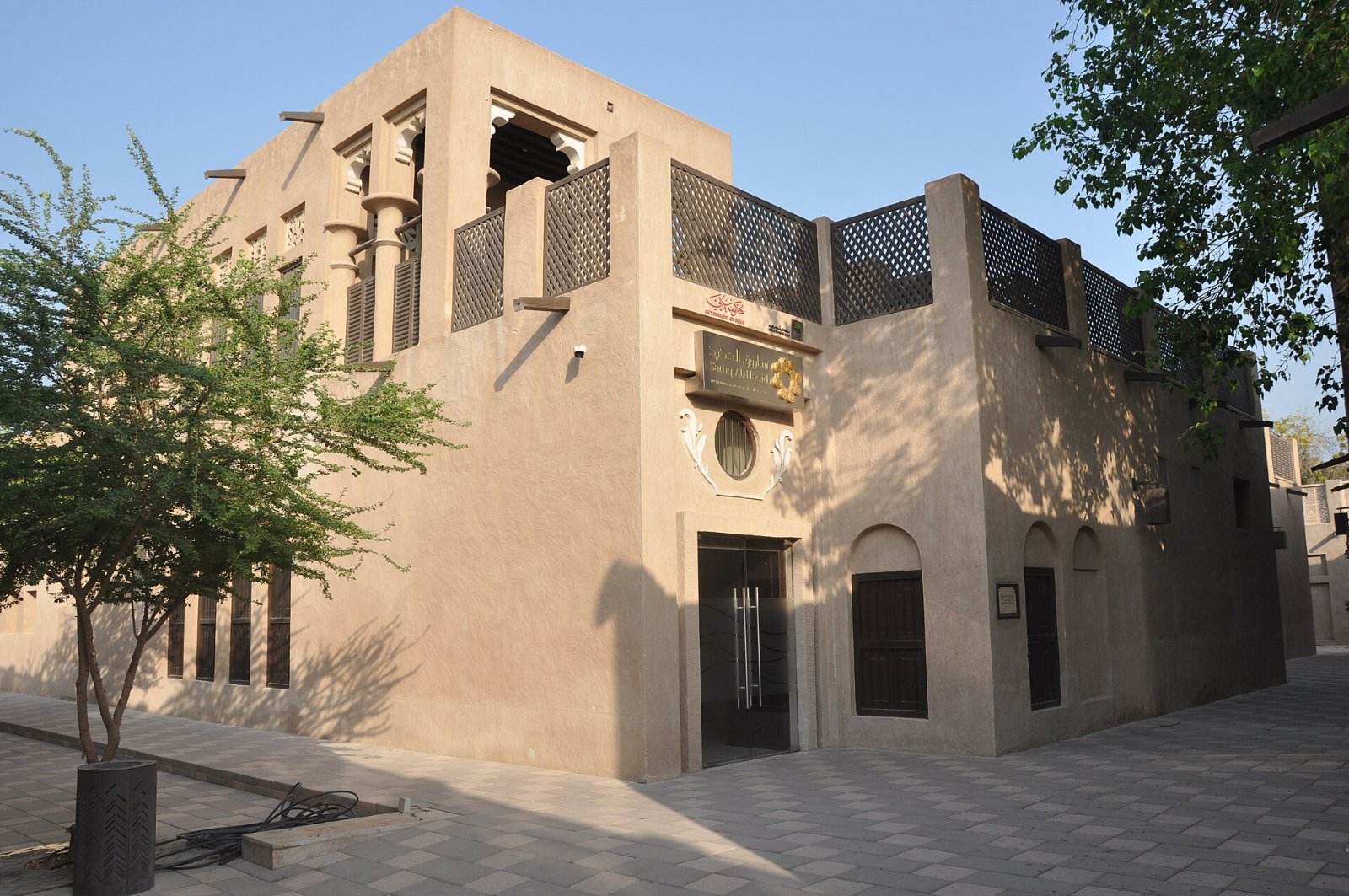
The building is its own exhibit: a wind-tower house from 1928, restored and rewired to display metal almost three thousand years older than itself.5 The deep desert's strangest site can be visited without leaving the city.
The museum sits in the portfolio of Dubai Culture, and the emirate's museum sector now has an operating company of its own, set up to run and develop venues like this one.6
Exhibit 07 · The scan
The case stays open
The investigation that began with a helicopter now flies instruments of its own. In 2025, researchers published a ground-penetrating radar survey of the dunes, reading what remains under the sand without moving a grain of it.4
Radar profiles let archaeologists trace buried surfaces between the trenches and decide where to dig next. Saruq Al-Hadid still has far more desert than trench: every season adds objects to the twelve thousand and leaves the central question standing.
Why did people spend two thousand years hauling water, fuel and ore into empty dunes, to melt metal beside snakes cast in bronze? The stain on the desert is still the best answer anyone has: because it mattered enough to leave one.
Exhibit 08 · The record
Sources
Every figure and date in this story comes from the public record. Where scholarship is still moving, on dates, ore provenance and the purpose of the site, we follow the framing of the site's official documentation.
- 01Dubai Culture · Saruq Al-Hadid Archaeological Site
- 02Wikipedia · Saruq Al Hadid — overview of excavations and finds
- 03Expo City Dubai · The Expo 2020 logo, the Saruq Al-Hadid site and the ring
- 04Archaeological Prospection (Wiley) · Ground-penetrating radar survey at Saruq Al-Hadid (2025)
- 05Dubai Culture · Museums and heritage attractions of Dubai
- 06Arabian Business · Dubai appoints senior executive to manage the city's museums
- 07Sentinel-2 cloudless by EOX (s2maps.eu) · modified Copernicus Sentinel data 2020 — satellite imagery in the opening view